1. Site review
Confirm traffic, contaminants, access and downtime.

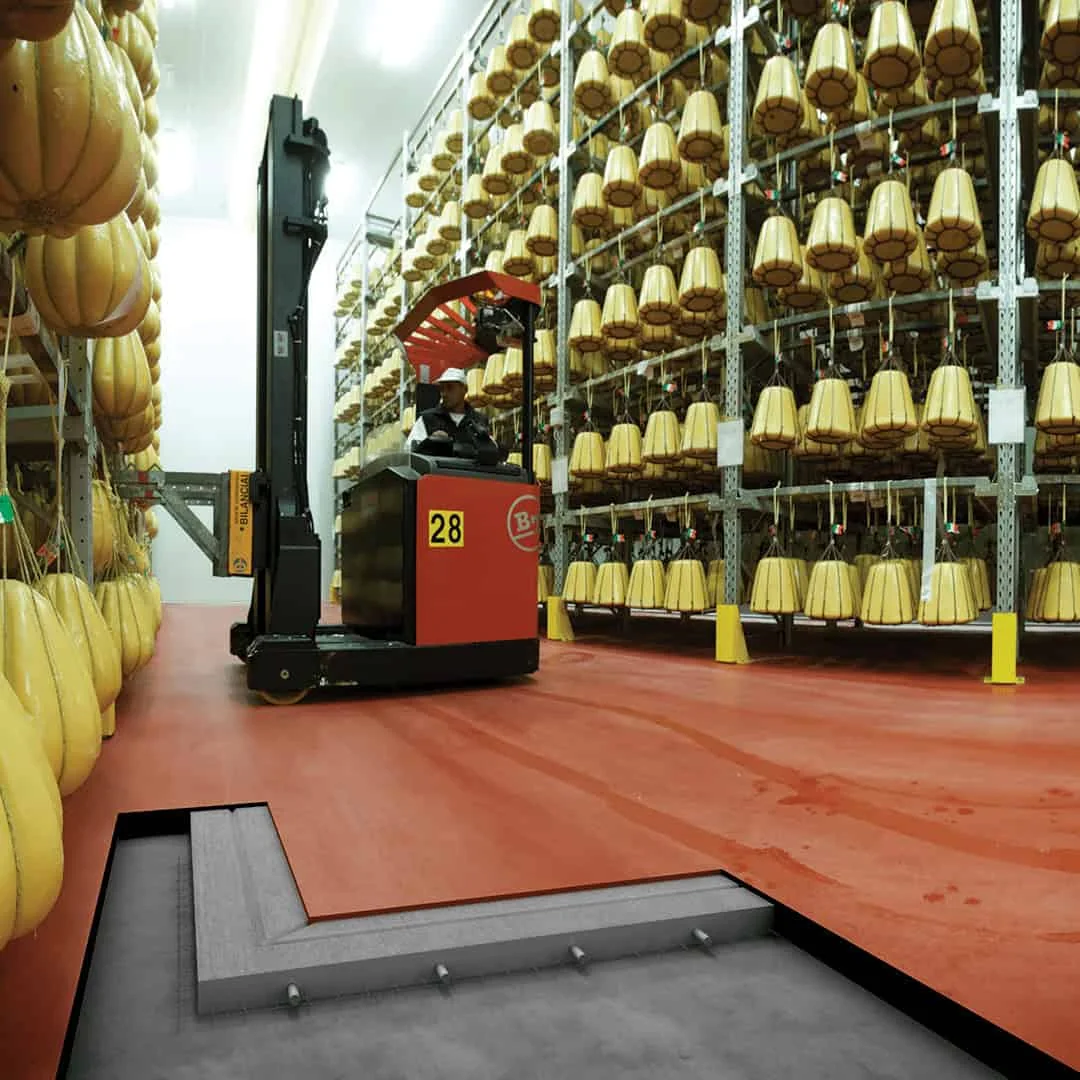
Commercial concrete coating systems
Commercial concrete floor preparation and coating systems for Auckland workshops, warehouses and operational spaces.
QUICK ANSWER
Commercial concrete coatings are selected around substrate condition, traffic, cleaning, chemicals, slip requirements, appearance and return-to-service constraints. Mechanical preparation and repairs are confirmed before the primer and coating build are specified.
Service information reviewed 15 July 2026. Final suitability, programme and price are confirmed for the individual site.
Site-specific flooring
Commercial floors need more than a colour choice. We assess traffic, chemicals, cleaning, slip considerations, downtime and substrate condition, then scope preparation and a coating system suited to the operating environment.
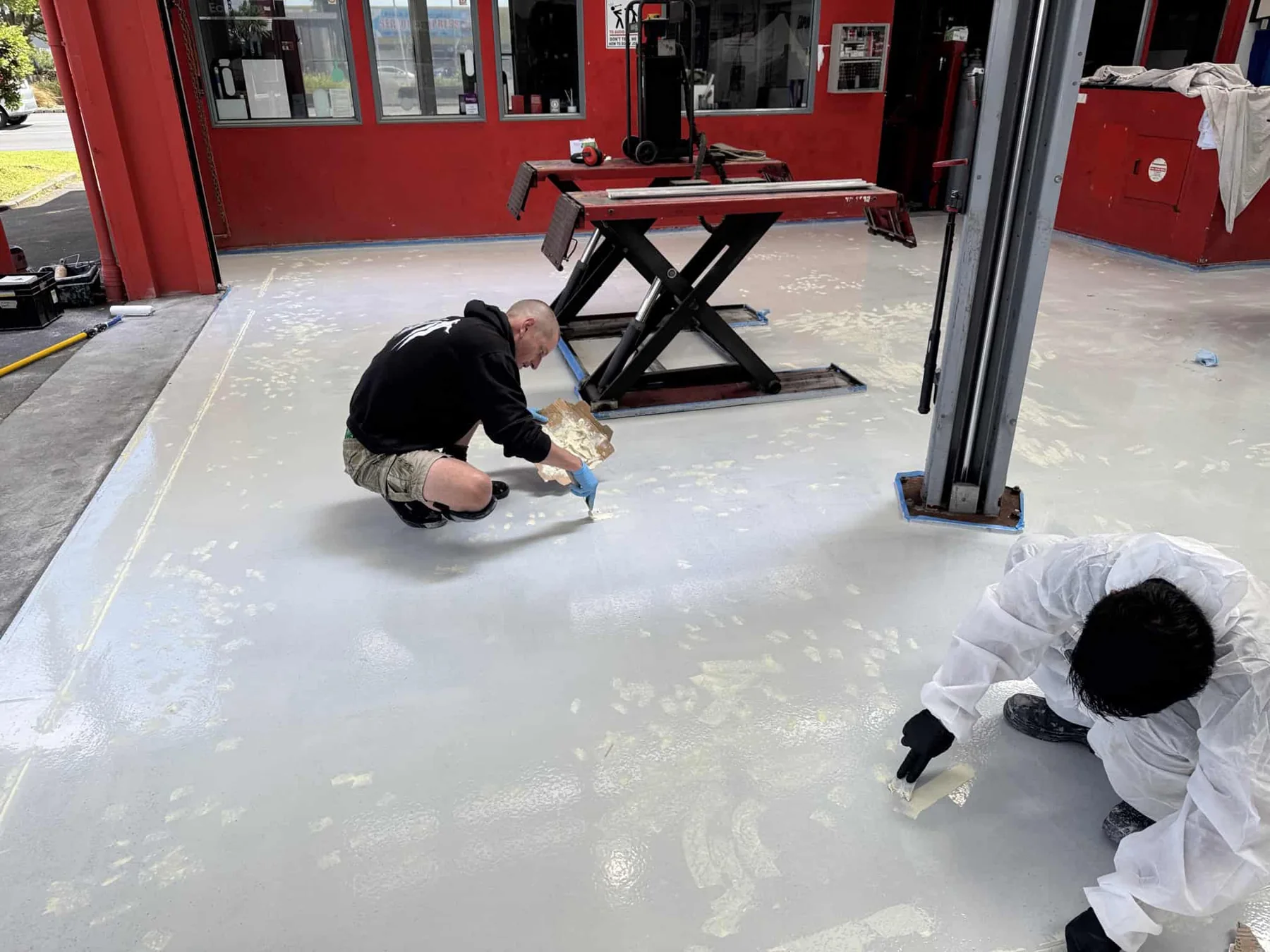
Our process
Confirm traffic, contaminants, access and downtime.
Mechanically profile the slab and remove failures.
Complete the agreed substrate repairs and detailing.
Apply the specified commercial coating system.
Questions answered
Grinding removes weak surface material and creates a clean, sound profile for the specified treatment.
Sometimes, but its adhesion and compatibility must be checked. Failed material normally needs removal.
Timing depends on area, repairs, system, temperature and site conditions. The written quote sets out the expected programme.
Yes. We assess the substrate and operating needs before confirming scope, system and price.
Specified for operations
Warehouses, workshops, plant rooms, retail back-of-house areas and production spaces place different demands on concrete. FlooringPro scopes traffic, loads, chemicals, cleaning, drainage, sunlight, slip risk, hygiene expectations and allowable downtime before proposing a system. A decorative roll coat and a high-build industrial floor are not interchangeable.
Forklifts, pallet movement, turning zones and dropped loads influence resin build and maintenance planning. Line marking, joints and staged access need to be coordinated with the coating programme.
Tyres, oil, fuels, battery fluids, welding and heavy stands require explicit review. No generic coating resists every chemical or heat exposure, and contaminated slabs may need extra remediation.
Appearance, cleanability, customer traffic and opening hours can be as important as impact resistance. Sheen and texture are selected to balance presentation, glare, soil retention and slip considerations.
The substrate is part of the system
We inspect laitance, hardness, previous coatings, adhesive, curing compounds, oil, moisture indicators, cracks, spalling, joints and repairs. Planetary diamond grinding removes weak or incompatible material and establishes the profile required by the specified primer and resin. Hand equipment details edges, columns and restricted areas.
Moisture pressure, active leaks and structural movement are not fixed by coating over them. Static defects may be repaired with compatible materials, while designed movement joints normally remain functional. Repairs, aggregate variation and joints can remain visible, especially under thin or glossy finishes.
Epoxy can provide adhesion, build and chemical resistance for many protected interiors. Compatible polyurethane or other specialist topcoats may improve UV stability, abrasion performance or return-to-service characteristics. Decorative flakes, solid colours, clear finishes and aggregate textures create different outcomes.
Product data and the site exposure govern selection. No system is universally chemical-proof, impact-proof, scratch-proof or non-slip. Texture may support traction but makes cleaning harder; sunlight may discolour unprotected epoxy; strong solvents or heat can damage an unsuitable finish.
Reduce disruption
Commercial work can be divided into agreed zones where access, joints and operations allow. The programme accounts for preparation, repairs, each coating layer, recoat windows and cure protection. Temperature and humidity affect application and return to service.
Pedestrian traffic, forklifts, washing and chemical exposure may resume at different times. We provide written milestones and coordinate barricades and handover so a partly cured floor is not damaged by an early reopening.
Routine care includes removing abrasive grit, cleaning spills promptly and using products compatible with the topcoat. High-turn zones can wear sooner than quiet aisles; planned inspection and local maintenance can extend service life.
Quote variables include area, removal depth, hardness, repairs, edges, joints, moisture, contamination, resin chemistry, film build, colour, texture, line marking, access and downtime. A site-based scope makes essential preparation and optional finish upgrades visible.
Send your Auckland suburb, approximate area, floor condition and photos for a site-specific assessment.
Request a written quote
Share the site details and FlooringPro will follow up. Prefer to talk? Call 0800 452 102.
What happens next