1. Assess
Check the slab, old coating and intended use.

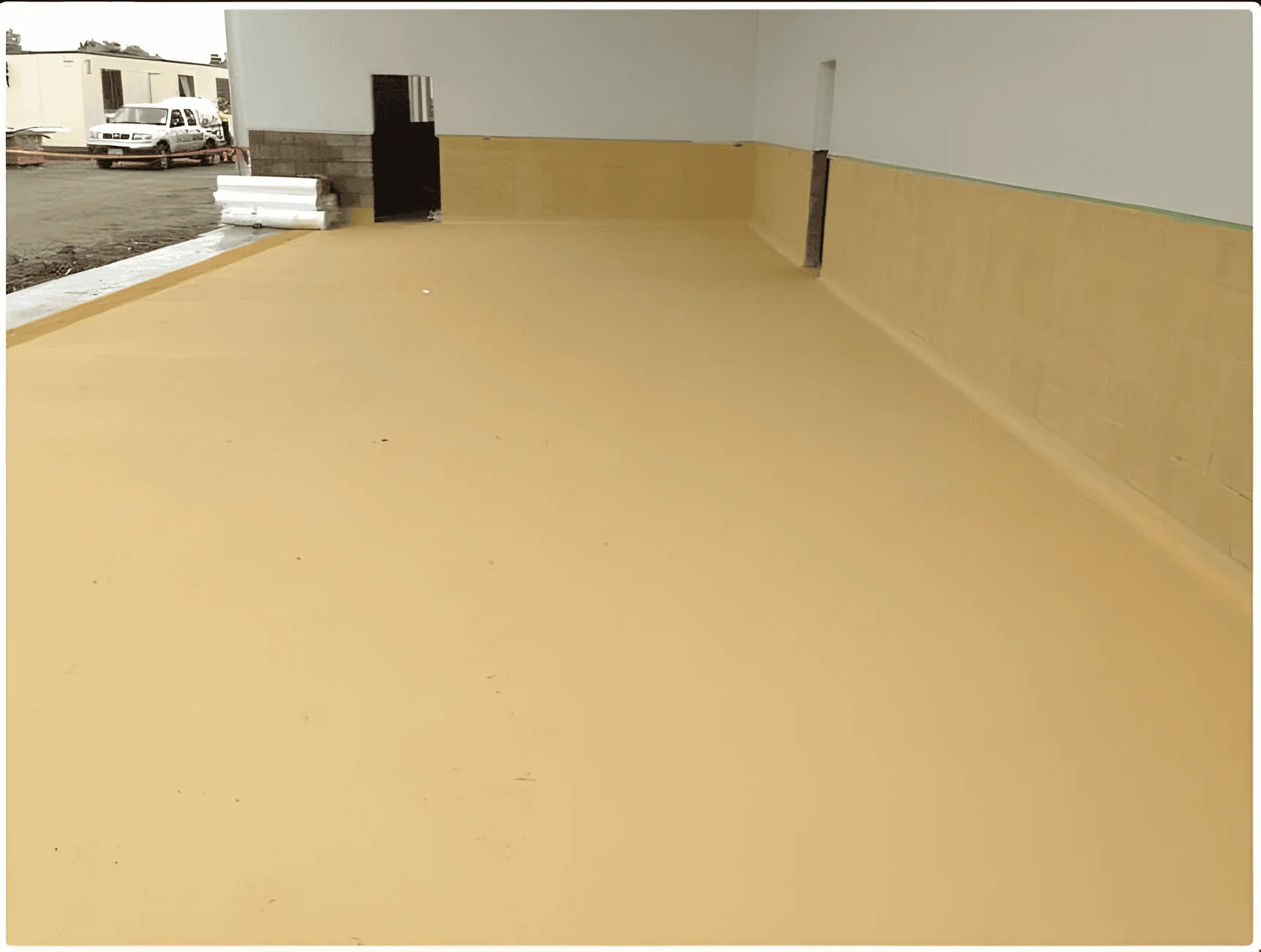
Concrete floor preparation & painting
Concrete floor preparation and professional floor painting for Auckland garages, workshops and utility spaces.
QUICK ANSWER
No. Concrete floor paint or coating requires a sound, prepared slab and a product suited to the site’s traffic, moisture and exposure. Existing paint, contamination, cracks and surface weakness can affect adhesion and must be assessed first.
Service information reviewed 15 July 2026. Final suitability, programme and price are confirmed for the individual site.
Site-specific flooring
Floor paint performs only when the slab is sound, clean and properly prepared. We inspect existing coatings, contamination, cracks and moisture risk before specifying a practical painted finish for your space.
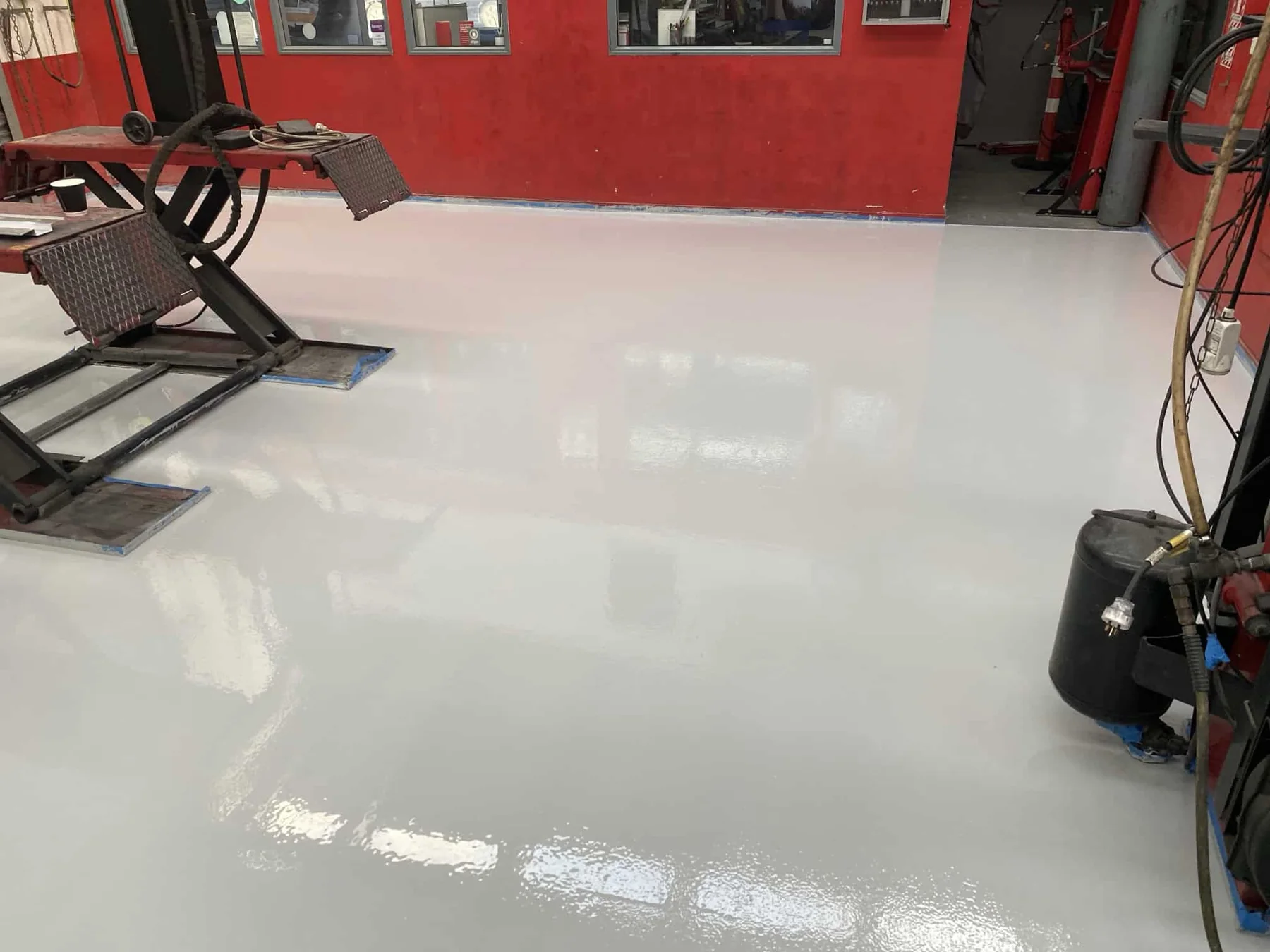
Our process
Check the slab, old coating and intended use.
Mechanically remove weak material and contaminants.
Complete agreed crack and surface repairs.
Apply the specified primer and finish coats.
Questions answered
Grinding removes weak surface material and creates a clean, sound profile for the specified treatment.
Sometimes, but its adhesion and compatibility must be checked. Failed material normally needs removal.
Timing depends on area, repairs, system, temperature and site conditions. The written quote sets out the expected programme.
Yes. We assess the substrate and operating needs before confirming scope, system and price.
Preparation before decoration
“Concrete floor paint” is commonly used to describe several very different products, from thin single-component paint to multi-layer epoxy or polyurethane coating systems. FlooringPro focuses first on grinding, preparation, condition checks and the floor’s intended use. The right recommendation for a domestic garage may not suit a warehouse, automotive workshop, retail service area or back-of-house commercial floor.
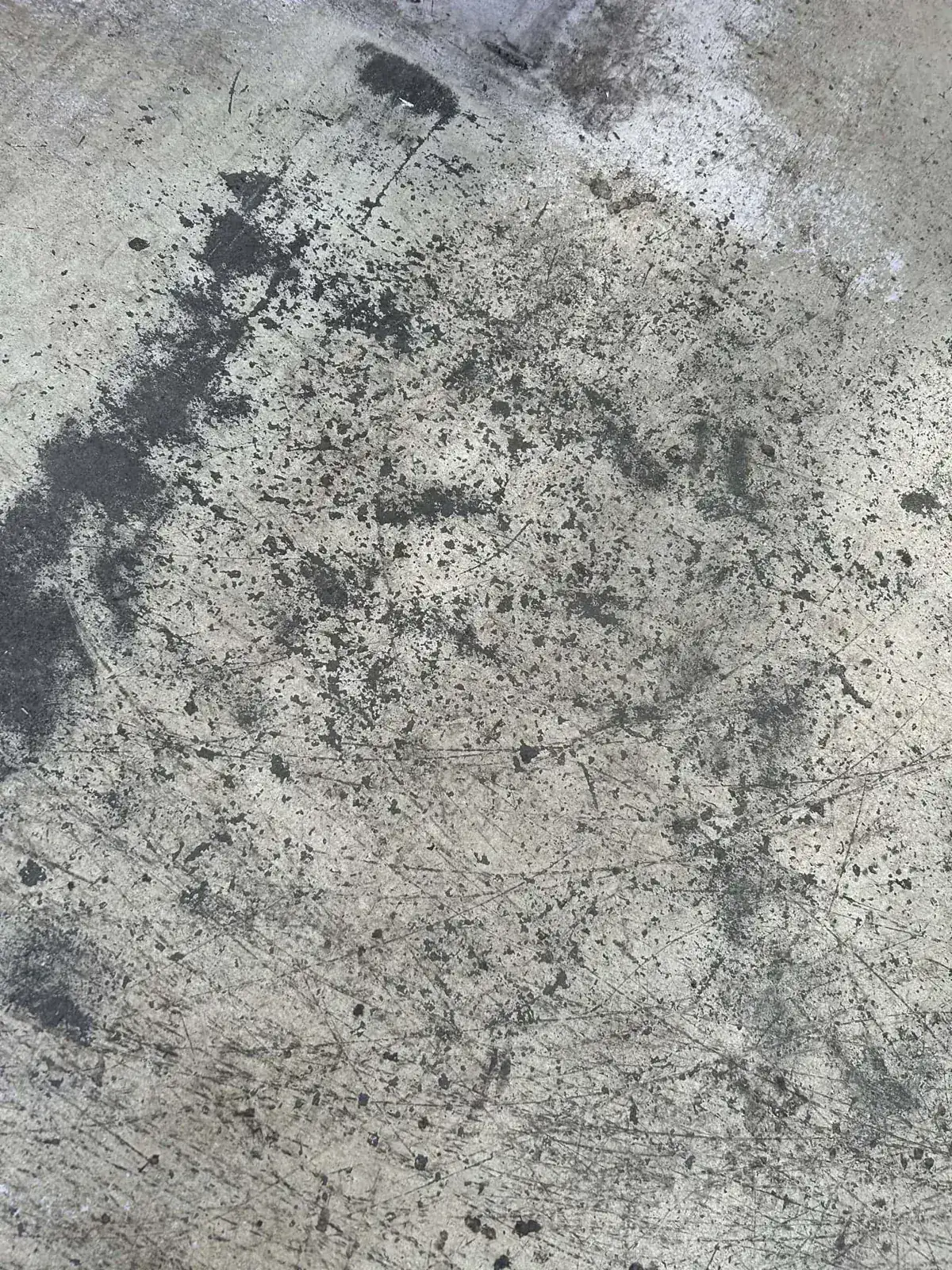
Surface profile and contamination matter before any coating. We check concrete hardness, laitance, existing paint, oil, tyre residue, cracks, repairs, moisture indicators and expected traffic. Mechanical grinding removes weak or incompatible surface material and gives a compatible primer or coating a controlled key. Applying a decorative coat over dust, smooth power-floated concrete or a failing finish may look quick, but it is a common route to peeling and premature wear.
A coating can make dusty or stained concrete easier to clean and visually consistent. Vehicle tyres, battery fluids, oil, sunlight at the door and return-to-parking time all influence resin and topcoat selection.
Heavy traffic, point loads, chemicals, welding, impact and cleaning regimes require a realistic system. Higher build does not repair structural movement, and deeply contaminated concrete may limit the achievable bond or warranty.
Retail and service environments may prioritise appearance, cleanability, slip texture and rapid reopening. Colour, sheen and texture samples should be considered under the site’s lighting and cleaning conditions.
Before and after thinking
We begin by understanding the site and finish required. The agreed scope can include coating removal, dust-controlled diamond grinding, edge preparation, local repairs and treatment of static cracks. Designed movement joints normally need to remain functional; active water entry or excessive slab moisture must be investigated rather than hidden beneath an impermeable finish.
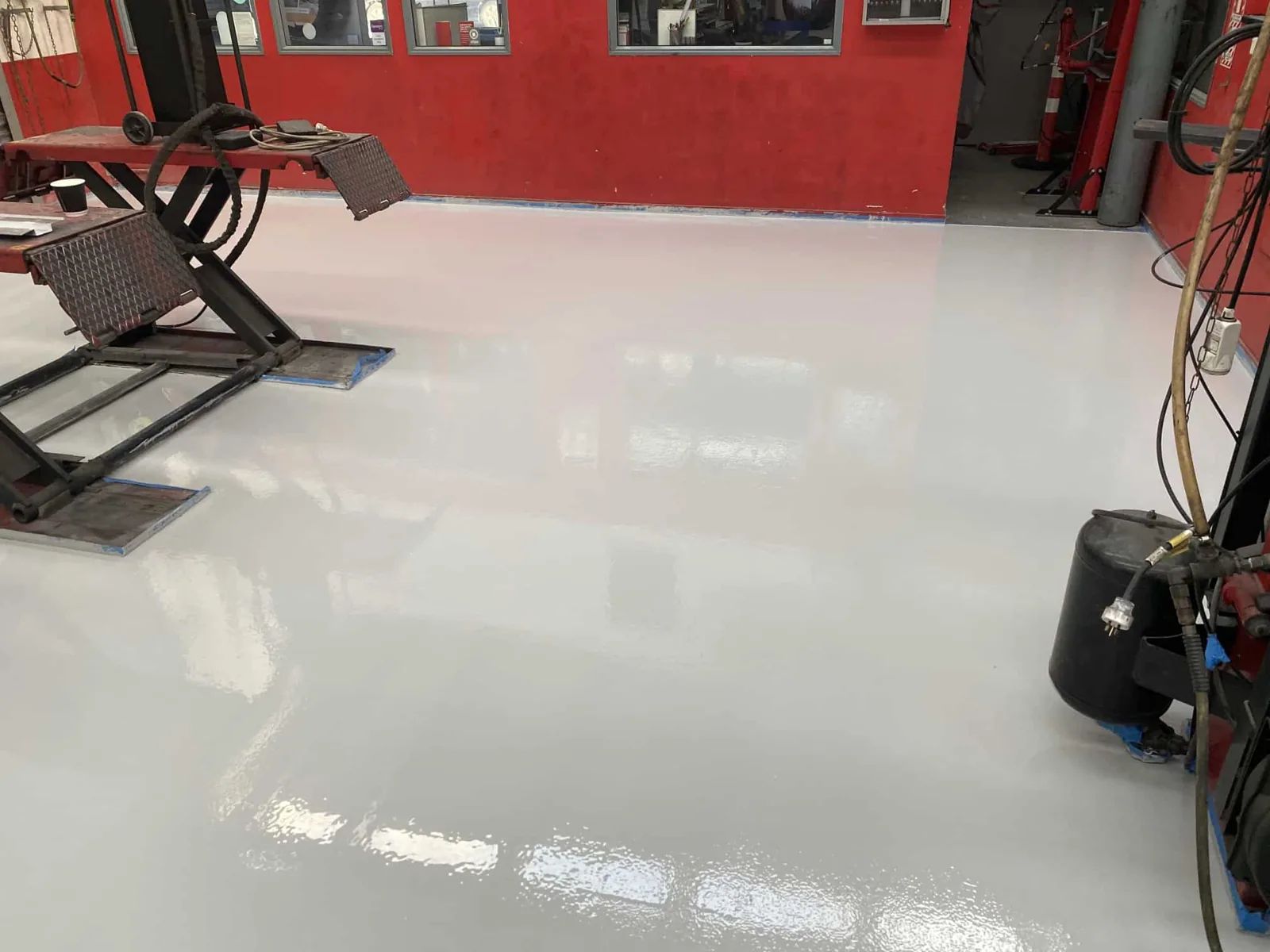
After preparation, compatible primer, body coats, decorative broadcast or clear topcoat are installed within their specified recoat windows. Epoxy can provide build and adhesion for protected interiors, while a compatible polyurethane or other finish may be selected for different abrasion, chemical, UV or cure requirements. Slip aggregate can add texture, but more texture also holds soil and changes cleaning effort.
No paint or resin is universally non-slip, chemical-proof, UV-proof or scratch-proof. Standard epoxy may amber in sunlight. Hot tyres, strong solvents, acids, standing liquid and dragged metal can damage an unsuitable system. Repaired defects and joints may remain visible beneath a seamless finish, especially with thin or glossy coatings.
Sweep abrasive grit, clean spills promptly and use a neutral cleaner approved for the finish. Do not park vehicles, wet-clean or expose the floor to chemicals until the stated cure milestone. Cost reflects area, removal depth, contamination, moisture, repairs, edges, coating chemistry, film build, colour, flakes or aggregate, access and downtime. Send site photos and details through our online enquiry form, then we can confirm whether an inspection is needed.
Original FlooringPro project imagery
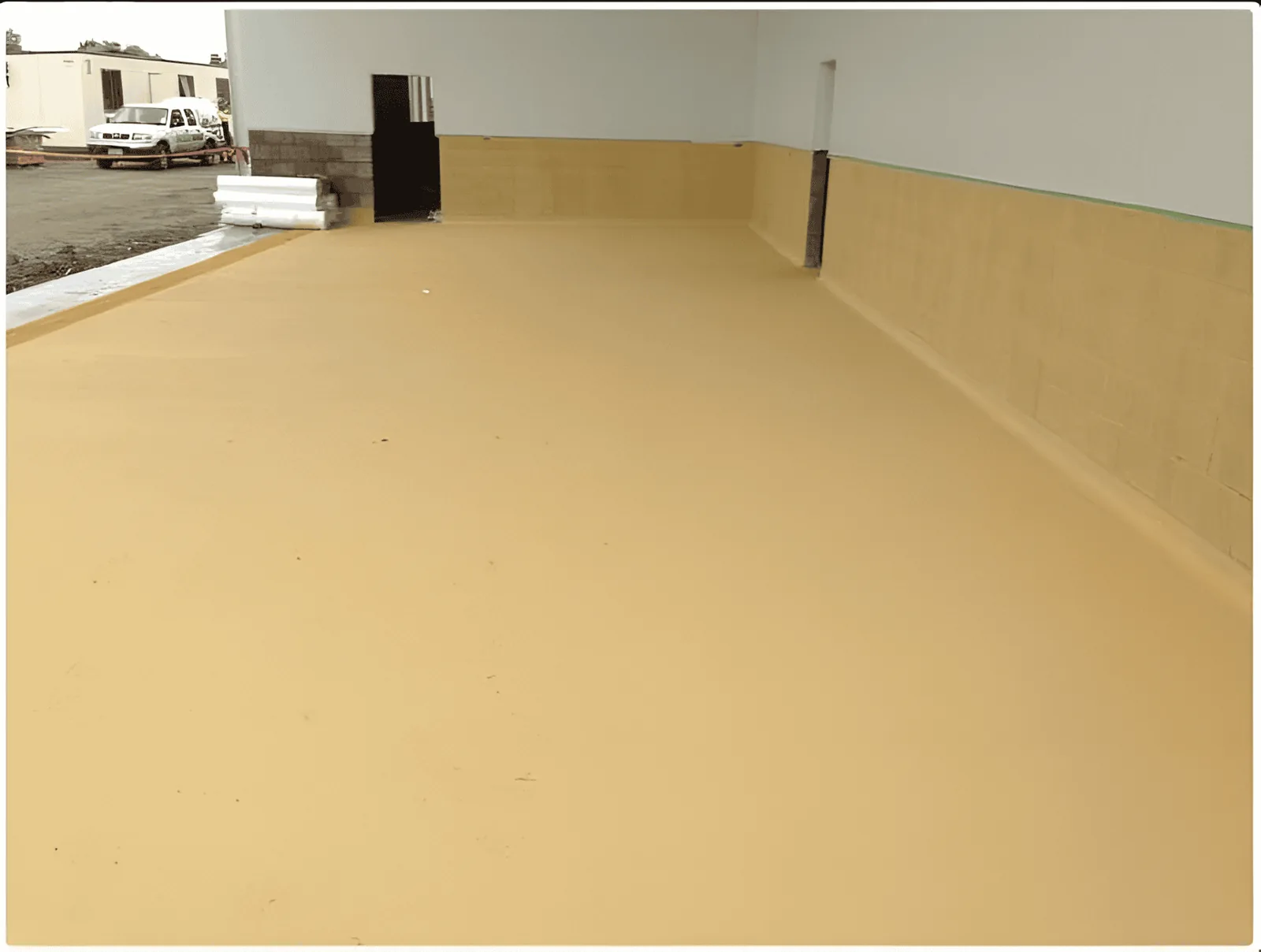
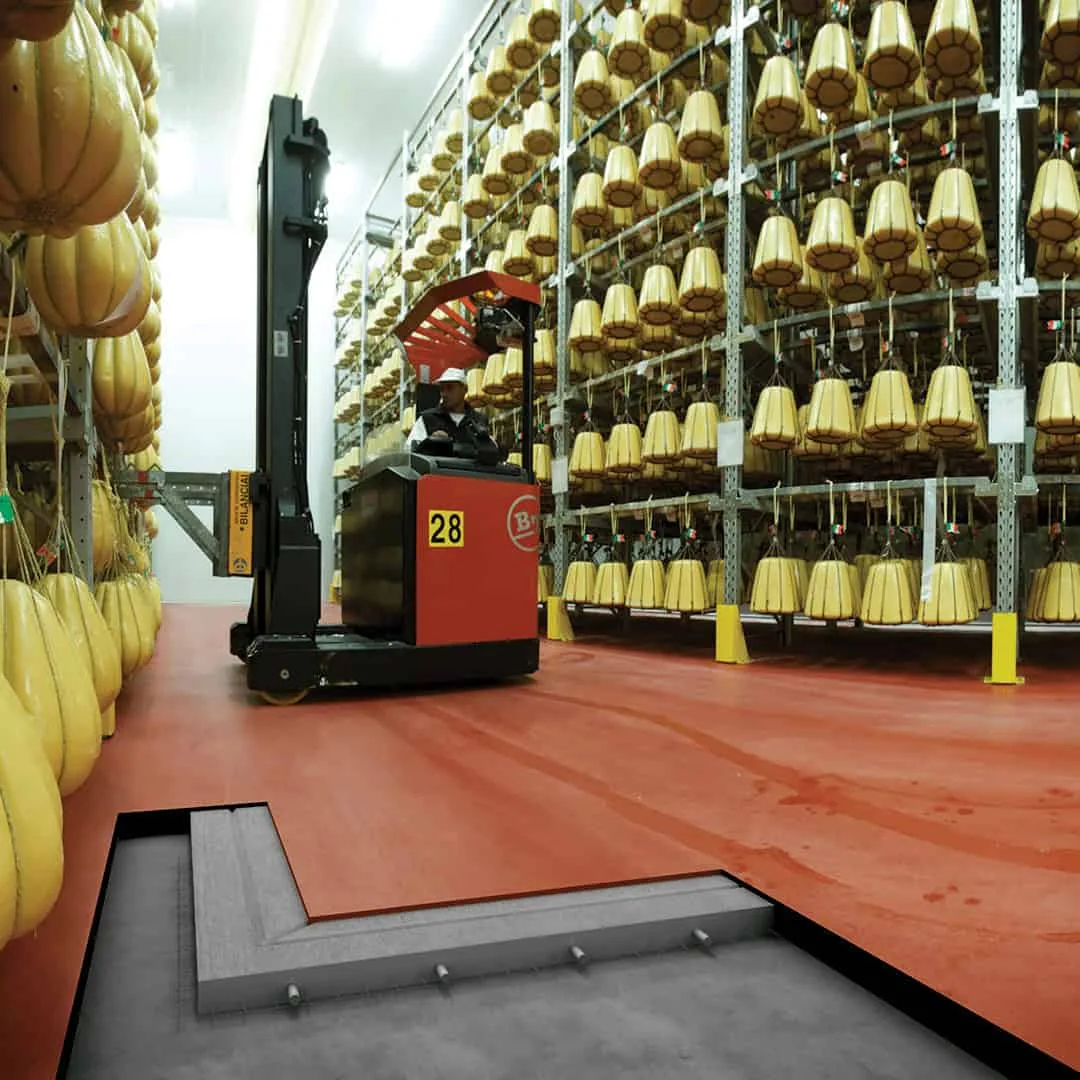
Send your Auckland suburb, approximate area, floor condition and photos for a site-specific assessment.
Request a written quote
Share the site details and FlooringPro will follow up. Prefer to talk? Call 0800 452 102.
What happens next