1. Inspect
Review slab condition, coatings and desired exposure.

Mechanical grinding & clear sealing
Concrete grinding and clear sealing for practical, character-rich concrete floors across Auckland.
QUICK ANSWER
A grind-and-seal floor is mechanically ground to an agreed level of exposure and protected with a compatible topical sealer or clear coat. It is different from mechanically polished concrete, which progressively refines and densifies the slab itself.
Service information reviewed 15 July 2026. Final suitability, programme and price are confirmed for the individual site.
See concrete preparation in action
Watch the specialist equipment, mechanical preparation and epoxy coating work used on a real FlooringPro concrete-floor project.
Site-specific flooring
Grind and seal removes the weak or marked surface layer, reveals the natural character of the concrete and protects it with a compatible sealer. The final appearance varies with every slab, so we assess exposure, repairs and finish expectations first.
Our process
Review slab condition, coatings and desired exposure.
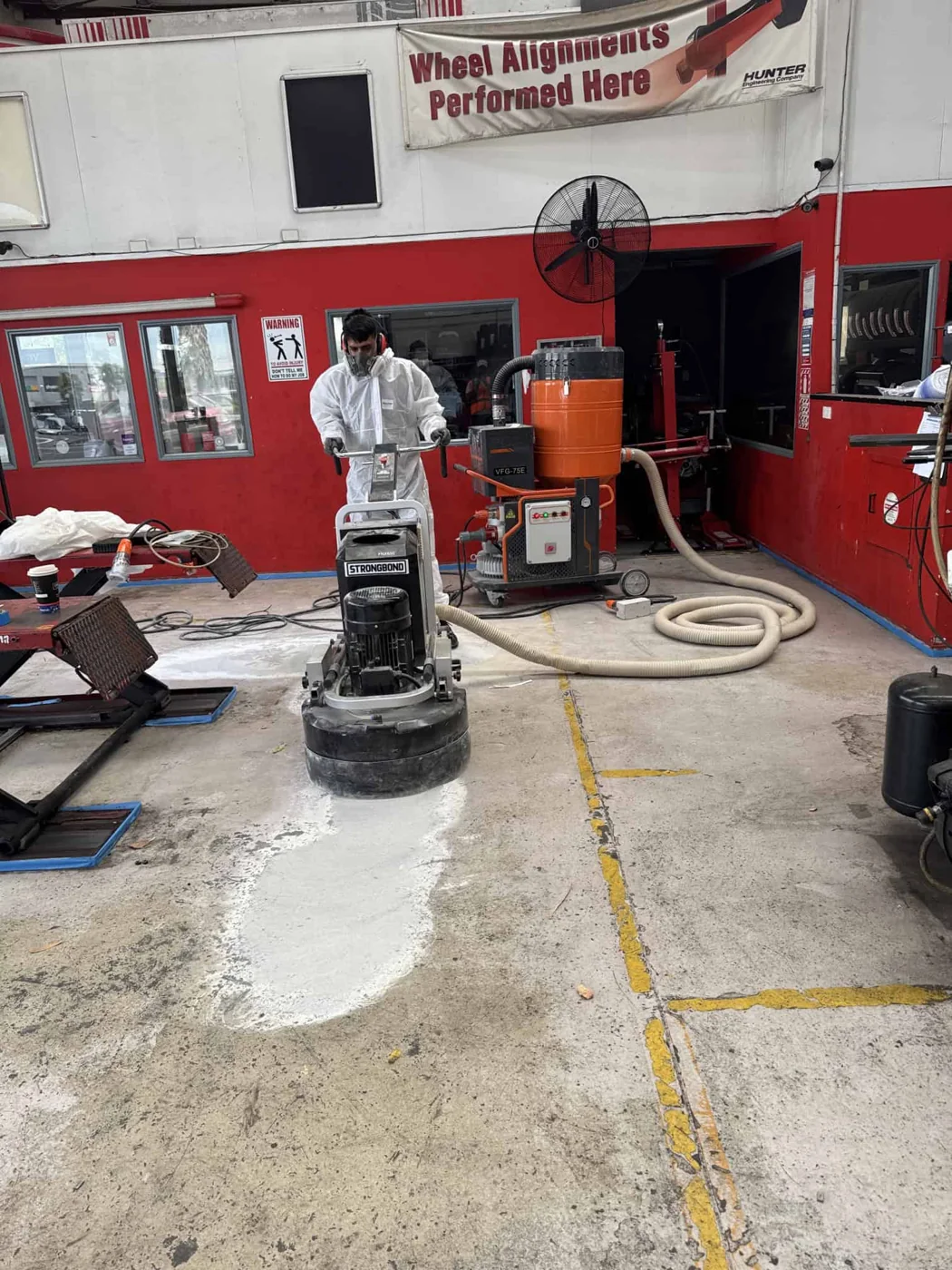
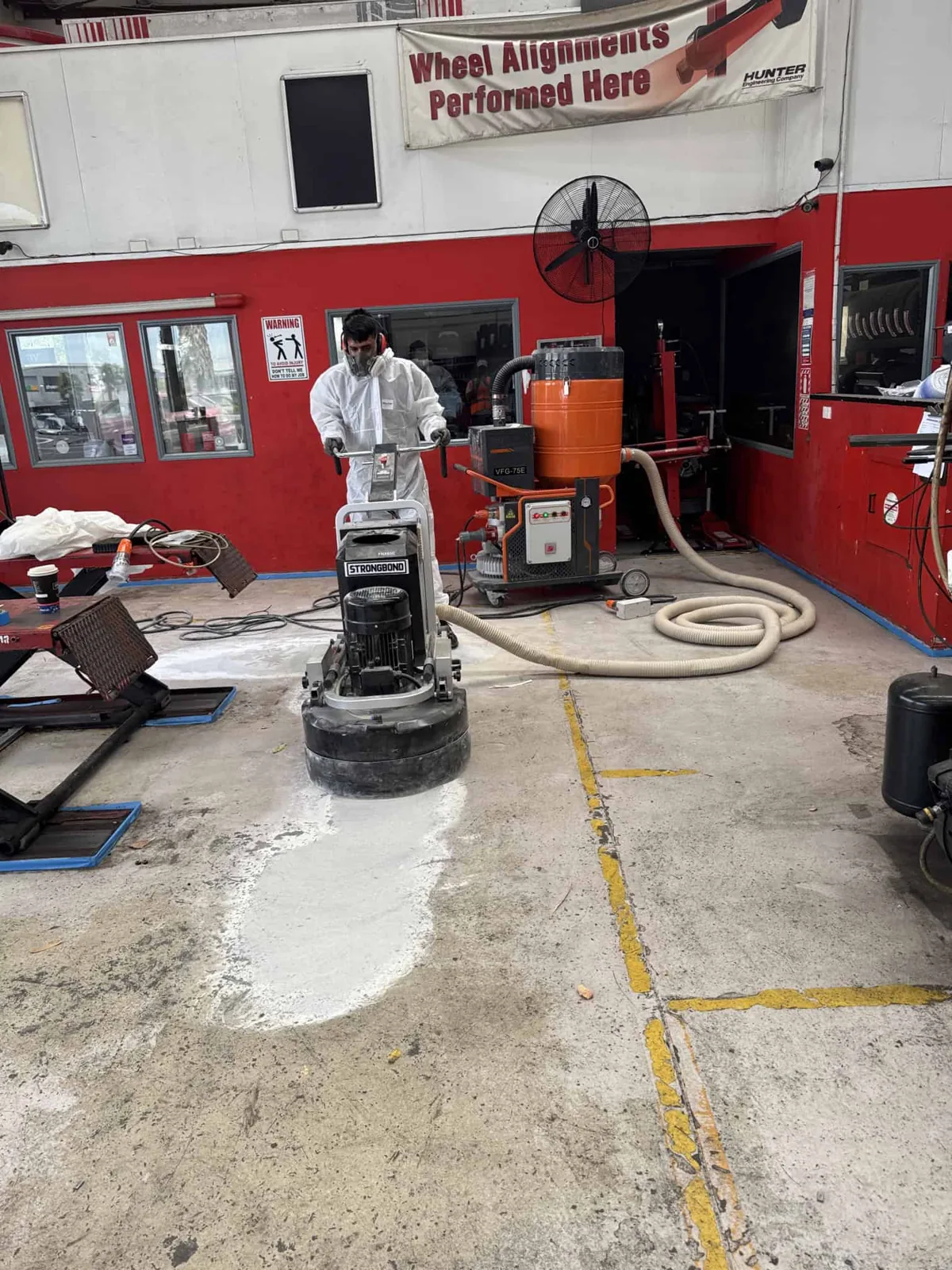
Mechanically grind with dust-controlled equipment.
Treat edges and complete agreed repairs.
Apply the selected clear protective sealer.
Questions answered
Grinding removes weak surface material and creates a clean, sound profile for the specified treatment.
Sometimes, but its adhesion and compatibility must be checked. Failed material normally needs removal.
Timing depends on area, repairs, system, temperature and site conditions. The written quote sets out the expected programme.
Yes. We assess the substrate and operating needs before confirming scope, system and price.
A practical clear-coated concrete finish
Grind and seal is a strong option when you want the honest character of concrete with a protective clear finish, without describing the result as mechanically polished concrete. FlooringPro grinds and prepares the slab, exposes the agreed amount of aggregate where practical, then applies a compatible clear sealer or coating for Auckland garages, workshops, warehouses, retail units and selected residential interiors.
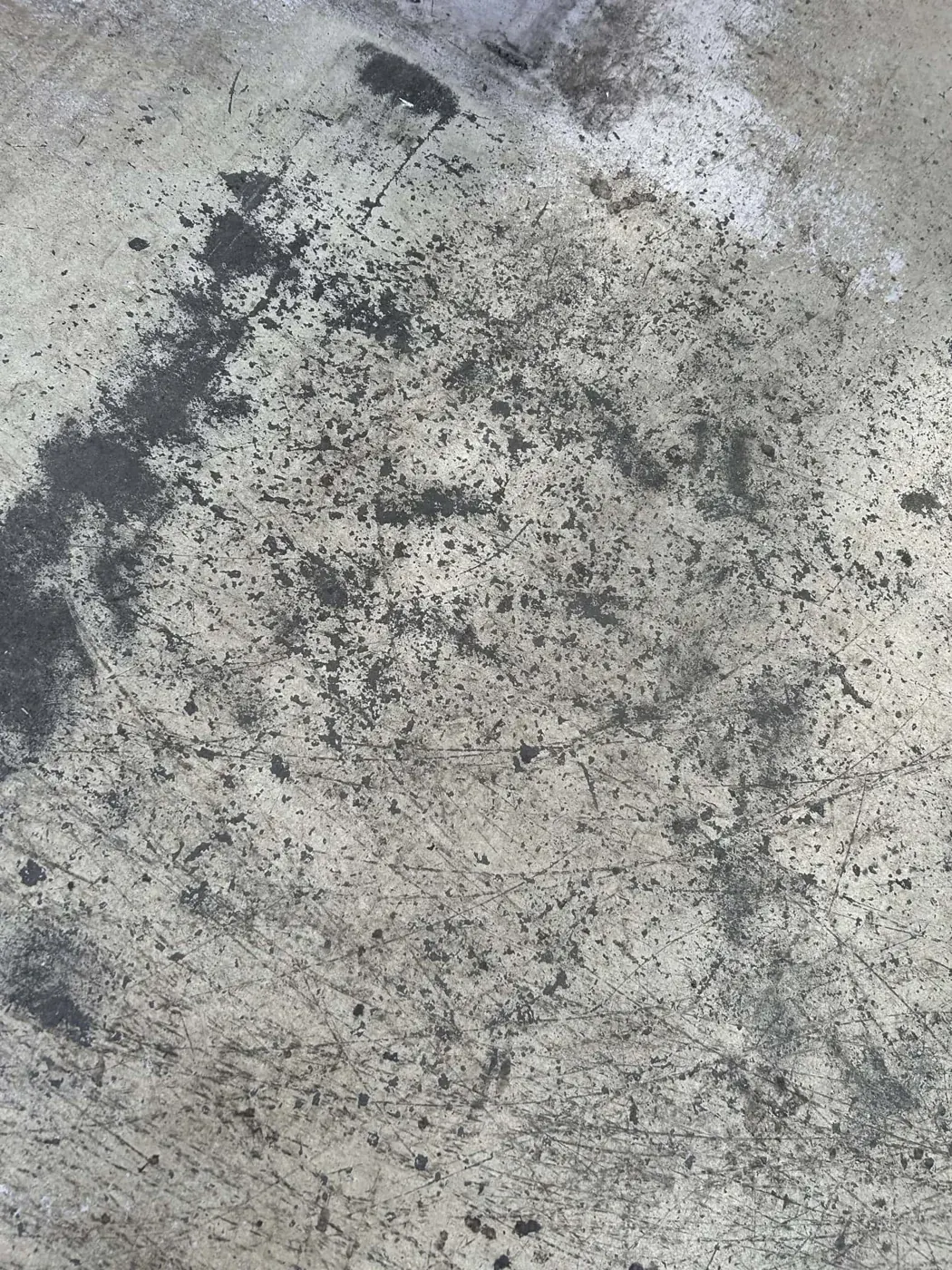
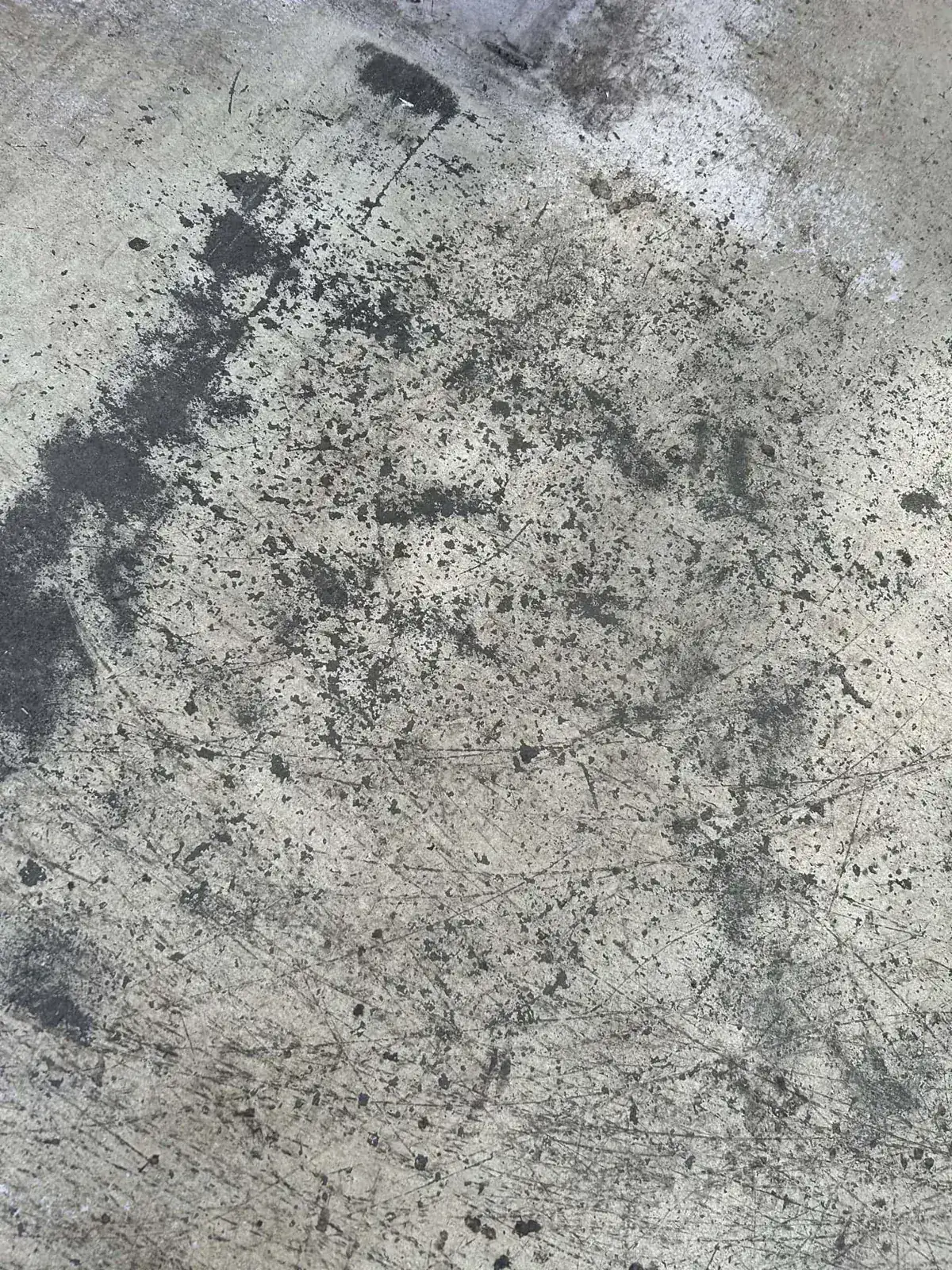
The process can reduce dusting, improve cleanability and create a durable, modern surface. Every slab is different: aggregate distribution, cracks, patching, stains, edge exposure and previous work become part of the finished appearance. We set expectations from the actual concrete rather than promising that an old slab will copy a sample photograph.
Grind and seal can produce an easy-care working floor, but tyres, oils, battery fluids, welding and sunlight at the door affect sealer selection. Vehicle return time and slip texture must be included in the programme.
Concrete character can suit modern premises while supporting practical cleaning. Foot traffic, trolley loads, opening hours, glare, appearance and access for maintenance influence gloss and coating choice.
A clear-coated slab offers a robust visual style, but it remains hard and can feel cool and acoustically lively. Underfloor heating compatibility, moisture, transitions and room comfort should be reviewed before committing.
Preparation drives performance
A mechanically polished floor is refined through progressively finer diamond tooling, usually densified and finished with a guard; its sheen comes substantially from the concrete itself. A grind-and-seal floor gets its principal sheen and stain resistance from a film-forming sealer or coating. That makes the initial process and future maintenance different.
Grind and seal may be a cost-effective route and can deliver richer colour or a wet-look appearance. It will, however, need recoating as the clear film wears. Clear epoxy can amber in UV light, so sun-exposed areas may need a compatible polyurethane or another specified sealer.
Know what the slab can and cannot do
Finish choices can include low-sheen, satin or gloss effects, natural or enhanced colour, different aggregate exposure and slip texture. More aggressive grinding may reveal larger aggregate but cannot guarantee uniform stones across pours or repairs. Heavier texture supports traction in relevant conditions but takes more effort to clean.
Existing cracks, ghosting, repairs and discolouration can remain visible under clear coating. Active movement may reappear. Moisture pressure, deeply absorbed oil or silicone contamination can prevent reliable adhesion. Grind and seal is not a waterproofing membrane and cannot correct structural movement or drainage.
Use entrance matting, sweep abrasive grit and clean spills promptly with a neutral cleaner approved for the sealer. Avoid harsh degreasers and abrasive pads unless the product instructions allow them. Fit furniture protection and do not wet-clean, park or expose the finish to chemicals before the stated cure point.
Cost reflects floor area, existing coating removal, grinding depth, desired exposure, edges, stairs, access, contamination, repairs, joints, moisture work, sealer build, texture and cure programme. Future recoating is part of the life-cycle cost. We provide a site-based scope so preparation and limitations are clear.
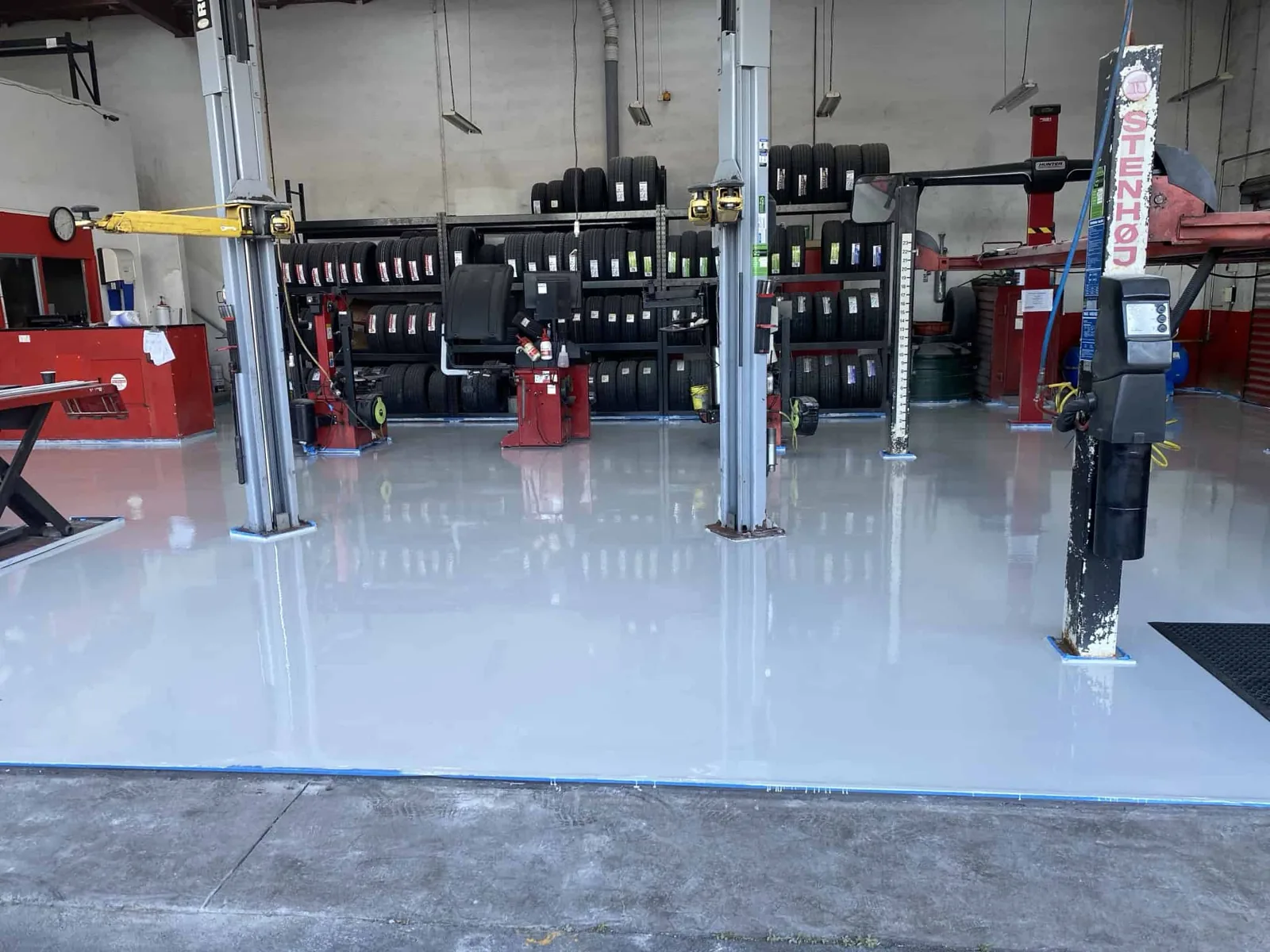
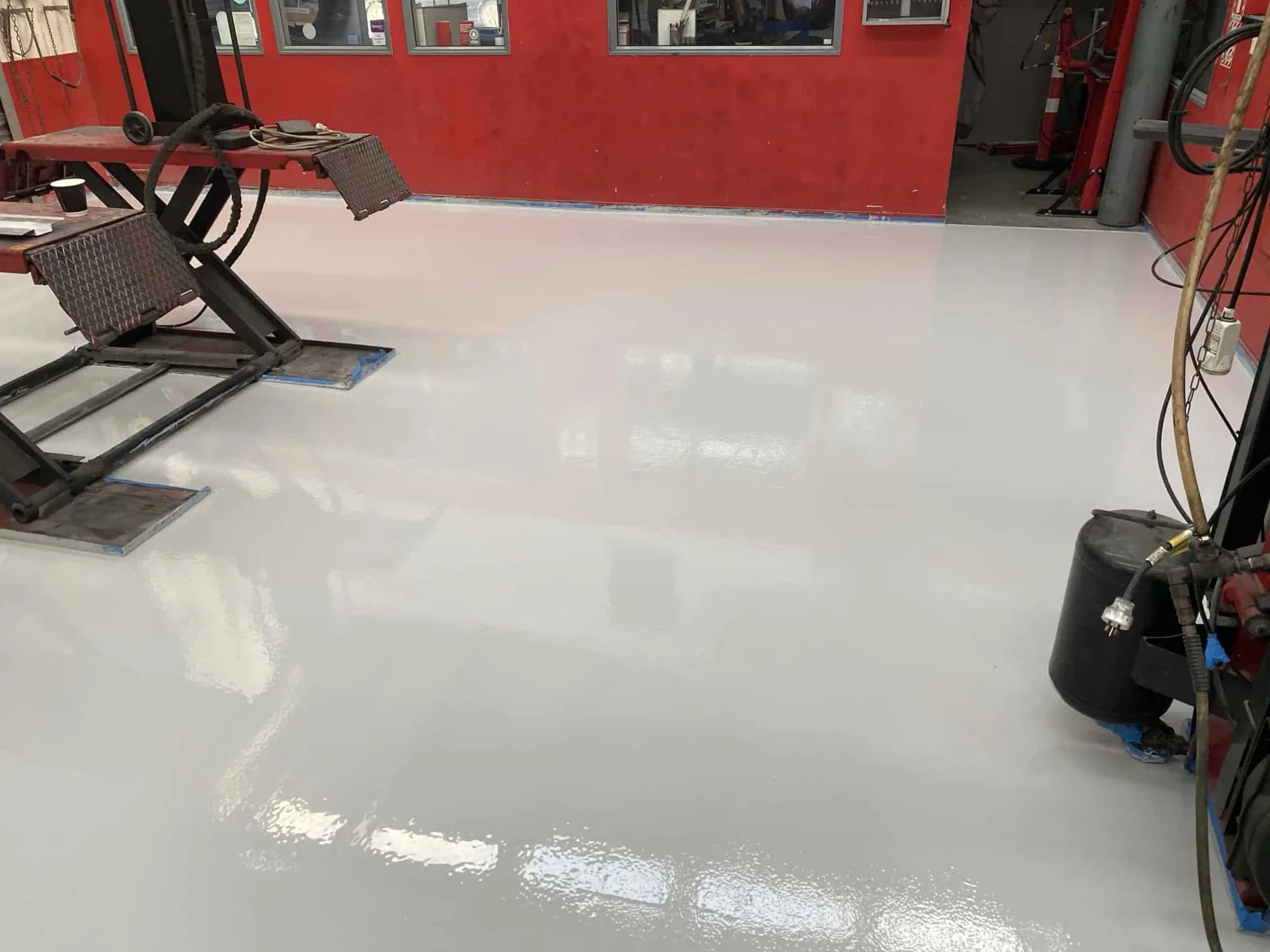
Original FlooringPro project proof
Send your Auckland suburb, approximate area, floor condition and photos for a site-specific assessment.
Request a written quote
Share the site details and FlooringPro will follow up. Prefer to talk? Call 0800 452 102.
What happens next