Sheet vinyl
A practical, easy-clean finish with minimal seams. Accurate templating, coved details and welding may be required for particular wet-area or commercial-style specifications. Sheet width and room shape influence seam position and waste.

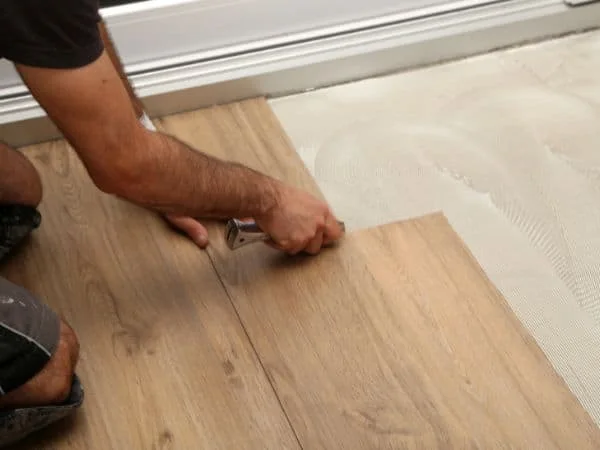
Comfortable, easy-care flooring
Bring practical style to busy rooms with residential vinyl selected for the space and installed over a carefully prepared subfloor.
QUICK ANSWER
Vinyl flooring needs a sound, dry, clean and sufficiently smooth substrate because imperfections can show through the finished surface. FlooringPro checks uplift, moisture, levelling, joins, trims and product requirements before confirming installation.
Service information reviewed 15 July 2026. Final suitability, programme and price are confirmed for the individual site.
Site-specific service
Vinyl follows the surface beneath it, so joints, ridges and damage can show through the finished floor. We assess the substrate, moisture, room use and selected product, then define the uplift, smoothing, adhesive and detailing needed for a reliable finish.
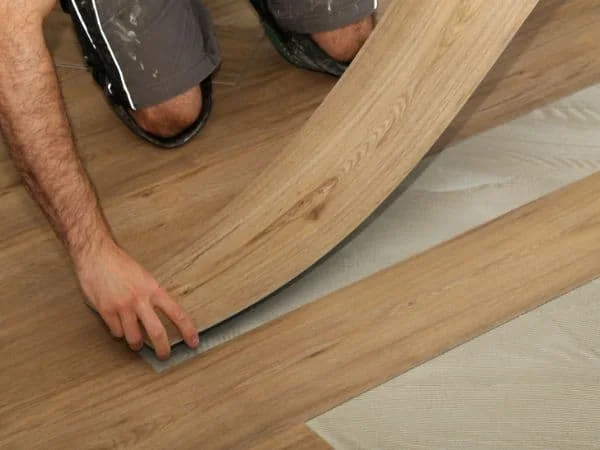
Choose for the room
Residential vinyl is a family of products rather than one universal floor. Sheet vinyl creates a continuous surface with few joins and is often chosen for kitchens, laundries and bathrooms when the selected product and installation system are approved for the room. Luxury vinyl planks and tiles provide individual timber or stone-look pieces and make design changes or local replacement more manageable. Glue-down and click systems behave differently, so we match the construction, wear layer, slip performance and warranty conditions to the space rather than choosing on colour alone.
A practical, easy-clean finish with minimal seams. Accurate templating, coved details and welding may be required for particular wet-area or commercial-style specifications. Sheet width and room shape influence seam position and waste.
Bonded pieces follow the subfloor closely and can create detailed layouts. They demand an exceptionally smooth, dry and stable base because ridges, hollows and contaminants may telegraph through or weaken adhesion.
Click products can suit suitable dry interiors, but still need a flat subfloor, perimeter expansion clearances and compliant transitions. A waterproof core does not turn the complete floor into a waterproof membrane.
Subfloor preparation
Thin resilient flooring highlights imperfections that carpet may conceal. Before quoting, we assess concrete or timber condition, flatness, moisture indicators, movement, old adhesive, paint, contaminants and existing floor coverings. Preparation can include uplift and disposal, diamond grinding, patching, securing timber sheets, installing an approved underlay board or applying a compatible smoothing compound.
Concrete must meet the moisture requirements of the product and adhesive. Persistent dampness needs investigation rather than being covered. Timber substrates must be firm, dry and correctly fixed; board joints and fasteners may need treatment to reduce show-through. Existing flooring can remain only when the manufacturer permits overlay and the surface is sound, clean and sufficiently smooth.
Vinyl is warm underfoot compared with ceramic tile, quiet to walk on and straightforward to clean. Designs range from subtle concrete and stone visuals to timber grains in varied plank sizes. Samples should be viewed in the room because daylight, lamps and surrounding cabinetry alter perceived colour.
It is durable, not damage-proof. Grit, dragged furniture, sharp impacts, hot items and rubber or chemical migration can scratch, dent or discolour some finishes. Direct sunlight and temperature swings may affect unsuitable products. Heavy appliances and rolling loads require careful moving and protection. We explain these limitations before installation so the selected floor fits the household.
Request a vinyl measurePlan the whole job
Materials may need conditioning under controlled site conditions. Rooms are cleared as agreed, the prepared base is checked, and vinyl is set out to control joins and pattern. Adhesive open time, rolling and curing instructions are followed before normal traffic, appliances or wet cleaning resume.
Sweep or vacuum grit, wipe spills promptly and damp-clean with a neutral product approved by the manufacturer. Avoid flooding, steam, abrasive pads and strong solvents. Use felt protectors, suitable entrance mats and wide load-spreading boards when moving appliances.
Product type, floor area, sheet or plank layout, uplift, disposal, moisture work, smoothing, repairs, stairs, coving, seams, trims, appliance movement and access all affect cost. A site measure produces a reliable written scope and identifies preparation separately.
Our process
Match the vinyl type, wear layer and finish to the room, traffic and care needs.
Plan sheet joins or plank direction, thresholds, fixtures and material quantities.
Complete agreed uplift, repairs and smoothing, then verify the surface is ready.
Apply the specified adhesive, fit and detail the vinyl, then inspect the finished floor.
Questions answered
Many vinyl products suit these rooms because they are easy to clean and water resistant. Product approval, joins, edges and substrate moisture still matter.
Sheet vinyl covers broad areas with few joins, while vinyl planks create a modular timber or stone look. The right option depends on room conditions, design and budget.
Sometimes, but only when the existing floor is firmly bonded, smooth, dry and compatible. Inspection is required before confirming an overlay.
Timing depends on the adhesive, product and site conditions. We provide return-to-use guidance for the selected installation system.
Send your Auckland suburb, approximate area, timing and photos for a site-specific quote.
Request a written quote
Share the site details and FlooringPro will follow up. Prefer to talk? Call 0800 452 102.
What happens next