
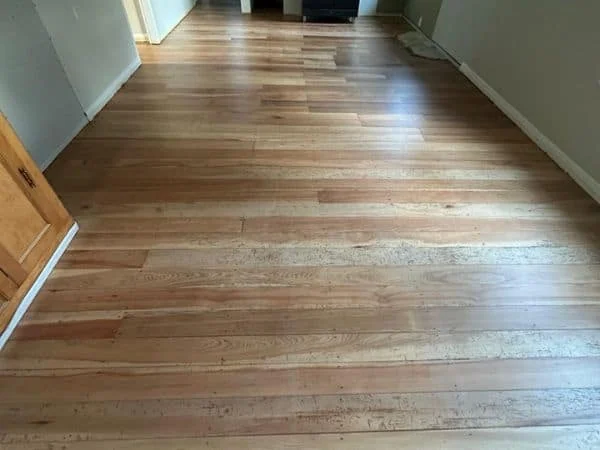
A more sustainable floor is not defined by one label or material. The strongest choices reduce unnecessary replacement, use credible product information and suit the building well enough to deliver a long service life.
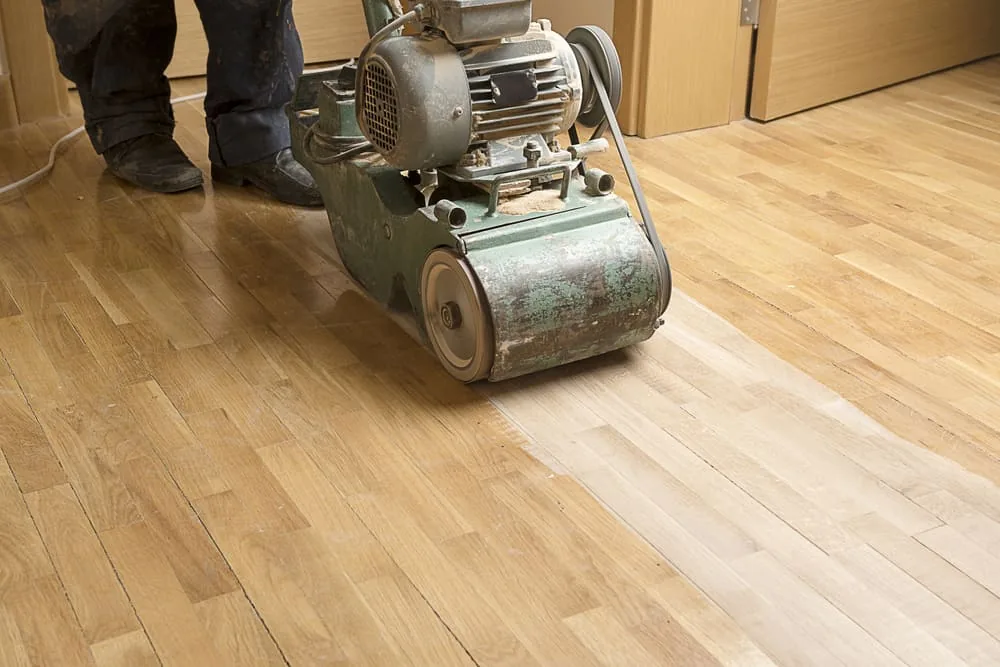
Start by keeping what already exists
Repairing, sanding and recoating a sound timber floor can preserve material already in the building. Concrete may sometimes be ground and finished rather than covered. A professional assessment should confirm whether restoration is technically suitable.
Compare evidence, not broad claims
Look for independently verified environmental product declarations, recognised forestry certification, transparent recycled content and clear indoor-emissions data. “Natural”, “green” and “eco-friendly” are too broad to support a decision on their own.
Options worth evaluating
- Certified timber: renewable and repairable when responsibly sourced and correctly maintained.
- Linoleum: made primarily from renewable ingredients, with different characteristics from sheet vinyl.
- Recycled-content carpet tile: modular replacement can reduce waste in selected commercial areas.
- Polished or finished concrete: may avoid an added covering where the existing slab is suitable.
- Resilient and rigid products: compare durability, emissions, repairability and take-back options rather than assuming all products in a category are equal.
Durability is an environmental feature
A product that fails early can carry a larger impact than a robust option with a higher initial footprint. Match the wear rating, moisture tolerance, cleaning regime and repair method to real use.
Include installation and end of life
Substrate preparation, adhesives, coatings, transport and site waste are part of the specification. Ask whether components can be separated, reused or recycled locally and whether a manufacturer take-back scheme actually operates in New Zealand.
A practical selection checklist
- Can the current floor be repaired or refinished?
- Is credible lifecycle and emissions documentation available?
- Will the product withstand the space's traffic and moisture?
- Can damaged areas be repaired selectively?
- What cleaning products and maintenance will it require?
- What realistic local end-of-life route exists?