
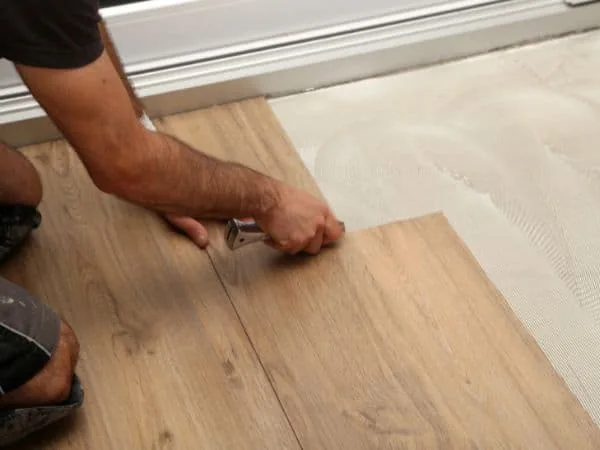
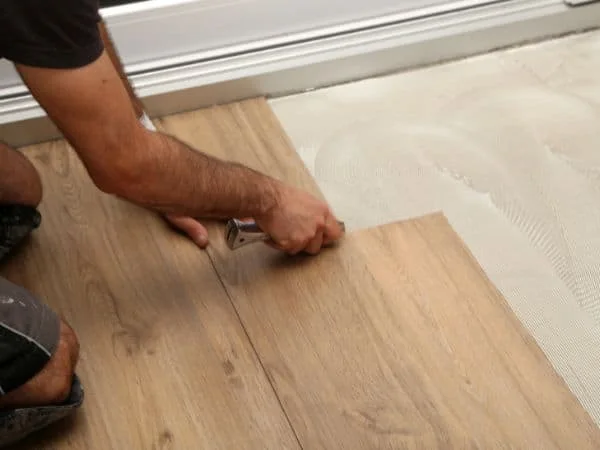
Both vinyl and carpet can work well in rentals. The better choice depends on the room, tenant profile, expected turnover, moisture exposure and the owner's maintenance priorities—not just the initial material price.
Quick comparison
| Factor | Vinyl | Carpet |
|---|---|---|
| Everyday cleaning | Easy to sweep and damp mop | Needs regular vacuuming and periodic extraction cleaning |
| Moisture | Often suited to kitchens and entries when correctly specified | Best kept away from wet areas |
| Comfort | Firm and cooler underfoot | Soft, warm and quieter |
| Damage | Can scratch, gouge or separate if substrate preparation is poor | Can stain, flatten or snag; sections may be repairable |
| Subfloor | Needs a smooth, dry, well-prepared base | Underlay can accommodate minor surface variation, within limits |
Where vinyl tends to work best
Vinyl is practical in kitchens, dining areas, laundries and busy circulation zones because spills are easier to clean. Product quality and preparation matter: uneven or damp substrates can telegraph through and shorten its life.
Where carpet tends to work best
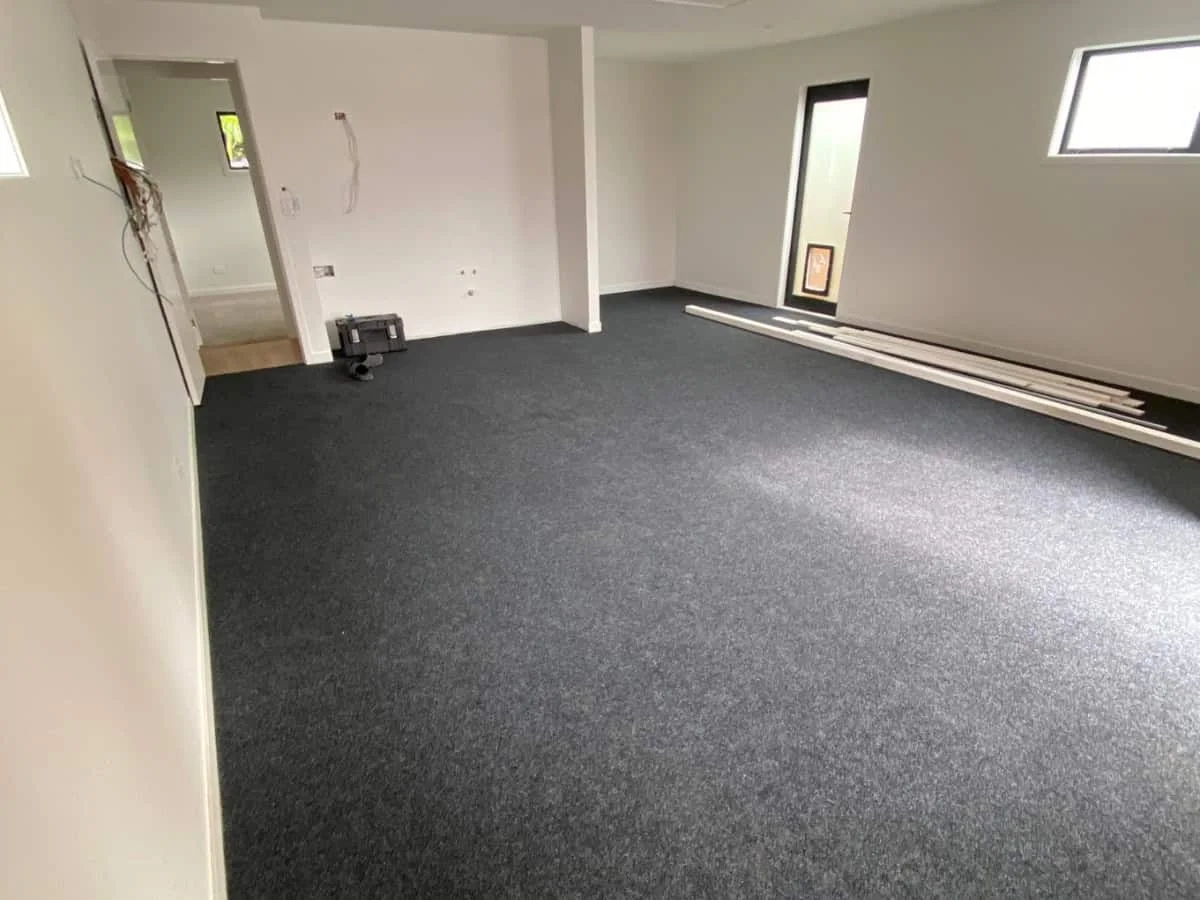
Carpet adds warmth, acoustic comfort and a softer feel in bedrooms and living rooms. For rentals, choose a durable, stain-resistant range and quality underlay in a colour that does not show every mark.
A room-by-room approach is often better
Many Auckland rentals benefit from vinyl in wet and high-mess zones, with carpet in bedrooms and selected living spaces. Ask for a written specification that covers floor preparation, trims, transitions, uplift and disposal as well as the visible material.
Look at whole-of-life value
Compare expected service life, cleaning between tenancies, repairability and downtime—not only the supply price. A site measure lets FlooringPro check moisture, transitions and substrate condition before recommending a system.